09 Jun 2026
Our response to the Henry Nowak tragedy
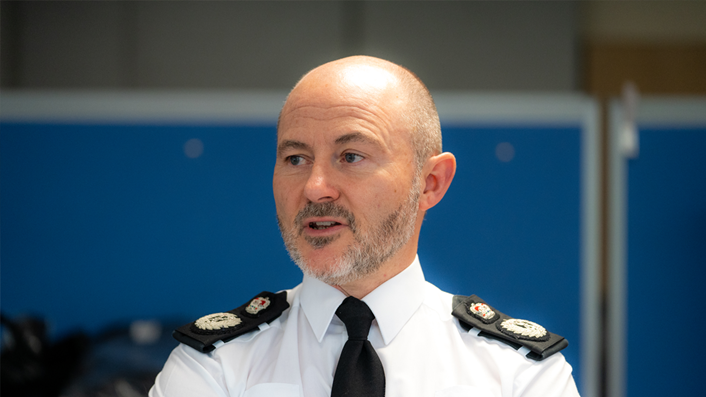
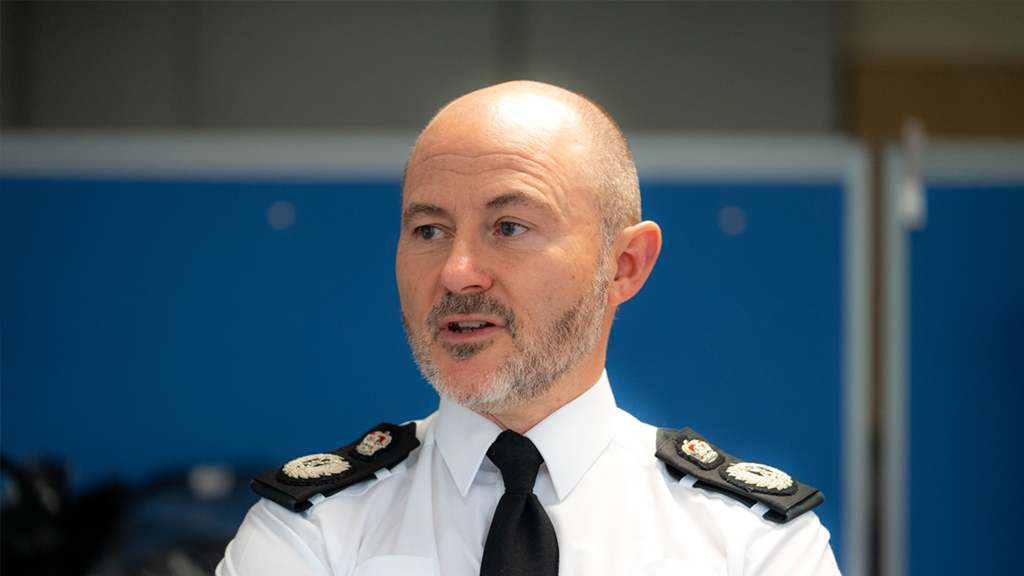
NPCC chair Chief Constable Gavin Stephens has outlined the work underway in national policing
First and foremost, I want to acknowledge the tragic loss of Henry Nowak. On behalf of the National Police Chiefs’ Council, I extend my deepest condolences to Henry’s family, friends and all those affected by his murder.
I fully understand and accept the strength of feeling around this case and the wider debate it has prompted. Policing is actively listening to these concerns and in parallel, we must let legitimate due processes take place. In doing so the NPCC will carefully consider any findings and recommendations that apply to wider policing.
Henry’s devastating murder represents an important moment for policing. Where there are concerns, from any community around broader operational policing practice, we must take action, openly and transparently.
I said last week that policing would respond to criticism of the wording of the Anti-Racism Commitment. In addition to that, a wider review of the Police Race Action Plan (PRAP) to more closely align it with operational policing needs was already underway.
The aim of PRAP was to confront real and evidenced disparities, arising from previous reports into policing practice, in line with our Public Sector Equality Duties. That does not mean treating people unfairly or applying different standards.
It means recognising where trust has been damaged and doing the hard work to serve the whole public better and fairly. Throughout this process, we were always guided by our requirements under the law. But where there are avenues of improvement, we must consider these calmly and rationally.
There is no question that the consequence of how some of these issues have been debated is having a really damaging effect on people’s sense of safety, from completely unacceptable disorder in the local community, to racist abuse directed towards those in public life, to death threats to police officers misidentified online. None of this is an acceptable way to respond to the important issues.
Policing and keeping the peace is a difficult job, especially in what feels like an increasingly polarised and divided world that often presents two opposing positions. In this time, as always, policing must act without fear of favour. We serve the law, the public and the principles of fairness, impartiality and accountability.
We have for the third summer in a row stood up a national plan to respond to widespread disorder should it arise to keep the public safe. This is a new phenomenon which should also make us pause and reflect about how we got here and how to respond. The colleagues undertaking these duties would prefer to be pursuing criminals and policing their local neighbourhoods. The overwhelming majority of our people simply want to go to work to fight crime, protect victims and make communities safer.
Discussing difficult and sensitive issues is incredibly important. But I would always hope that these debates can be had in a calm, tolerant and respectful way, which does not stoke tensions to a point where policing is faced with additional challenges to public safety.
Policing is here for everyone and will always commit to making improvements to earn public trust.
Contact information
Communications office
By phone: 0800 538 5058
By email: press.office@npcc.police.uk